


Quick recap
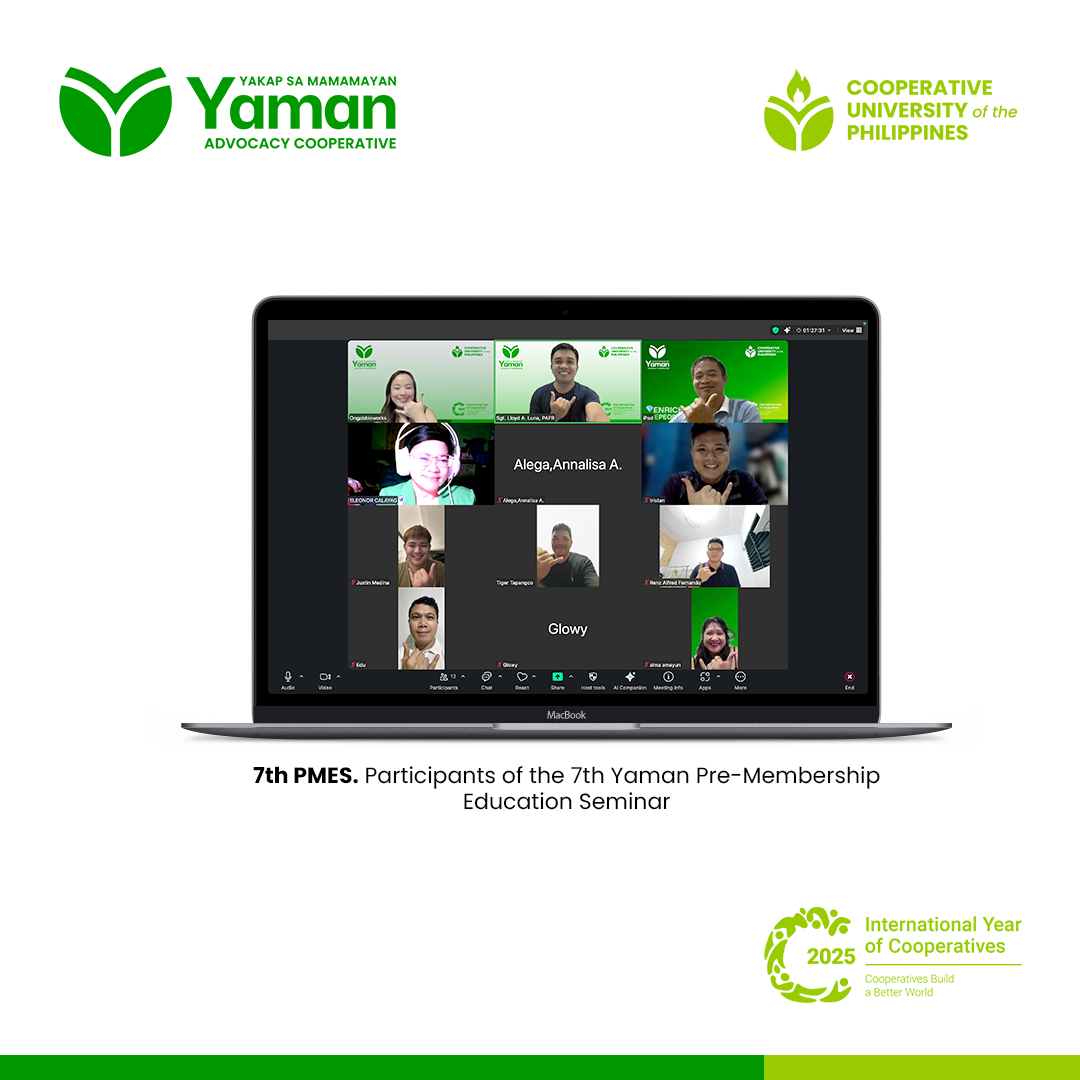
The meeting focused on discussing economic challenges in the Philippines, including high poverty rates, unemployment, and underemployment, while exploring the paradox of the country’s stress levels versus happiness. The discussion covered various traps that prevent progress, including identity, competition, and isolation traps, and presented a cooperative model aimed at addressing these issues through training, education, and collaboration. The conversation ended with details about the cooperative’s membership structure, financial operations, and commitment to providing affordable training programs and financial literacy initiatives.
Philippines Economic Challenges Overview
The meeting focused on discussing economic challenges in the Philippines, highlighting that 49% of Filipino families cannot consider themselves financially stable, with 15.5% or 17.5 million Filipinos living in poverty. It was noted that 3.8% or 2 million Filipinos are unemployed, while 11.9% or 5.9 million are underemployed, working in jobs that do not match their qualifications. The discussion also touched on the high national debt, which reached 11.67 trillion pesos by April 2023, emphasizing the need for financial stability and economic reform.
Philippines’ Poverty and Happiness Paradox
The speaker discussed the paradox of the Philippines being the most stressed country yet having the happiest people, highlighting issues of professional motivation and societal structures. They expressed concerns about patronage politics and the lack of proper training and development for the population, leading to persistent poverty. The speaker identified three traps of poverty: the identity trap, where low-income individuals do not believe they can be rich; the isolation trap, which leads to a sense of exclusion; and the behavior trap, where poor individuals make decisions based on their limited resources rather than long-term goals.
Breaking Free From Progress Traps
The speaker discussed three traps that prevent progress: the identity trap, where people are programmed to compete rather than collaborate; the competition trap, which is reinforced by the education system and workplace culture; and the “Bahay Kubo” mindset, where people stay in their comfort zone and miss opportunities for growth. They explained that their cooperative aims to address these issues by promoting collaboration and support among members, emphasizing that their approach goes beyond financial assistance to address underlying problems.
Empowering Wealth Through Education
The discussion focused on an advocacy for poverty alleviation through training and education, emphasizing the importance of knowledge and skills in enabling people to contribute productively. Sgt. highlighted the need to address the affordability of education and life skills training, while also discussing the concept of wealth as more than just financial gain but also involving mindset and skills. The vision for “Yaman Pilipinas” was presented, aiming to create a wealthy nation by leveraging the country’s human capital and talent, with a focus on empowering people as part owners and shareholders in a cooperative model.
Cooperative Values and Advocacy Focus
The meeting focused on discussing the core values and objectives of a cooperative organization. The group emphasized their commitment to advocacy, particularly in areas such as poverty alleviation, training, and education, with members offering expertise in various fields including financial literacy, mental wellness, and leadership. They also highlighted the importance of patriotism and open-mindedness, stating that success is a manifestation of these values. The organization aims to serve its members by providing access to experienced mentors and subject matter experts, while fostering a spirit of cooperation and mutual support.
Cooperative Training and Poverty Alleviation
The meeting discussed the structure and benefits of a cooperative that offers affordable training programs. Members receive one year of monthly online training for free, with the cooperative covering the costs as part of their commitment to teaching and professional development. The cooperative aims to create a platform where members can learn, earn, and support poverty alleviation efforts through various training sessions and events. Annual membership fees range from 500 to 1,000 pesos, with an optional minimum share capital of 1,002 pesos per share, and members are encouraged to attend at least eight out of twelve learning sessions annually.
Yaman Cooperative Membership Structure
The meeting discussed the membership structure and operations of the Yaman cooperative. Sgt. explained that members can be either associates or regular members, with regular members having voting rights and a minimum of 2 shares. He emphasized that the cooperative is professionally managed and has layers of membership to ensure professional operations. The discussion covered qualifications for membership, referral requirements, and the cooperative’s role in training programs. Herminia inquired about registration deadlines and the issuance of official receipts for payments, which Sgt. confirmed would be provided.
Financial Literacy and Membership Training
The meeting focused on financial literacy and organizational membership. Sgt discussed payroll processes and the use of passbooks, while Buddy emphasized the importance of member participation in activities and committees. DOST proposed organizing training for staff monitoring, and Sgt advised checking the organization’s website for updates. The conversation ended with an attendance check and plans for a future orientation program on membership.

Leave a Reply